The Fluminense Sports Club:

The most beautiful Sport Facility in the entire World.

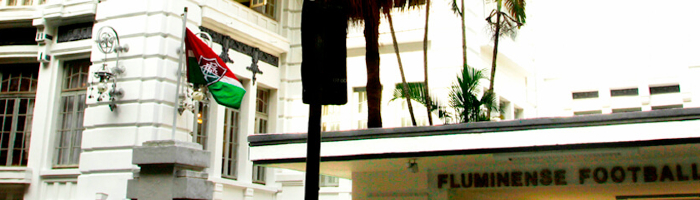
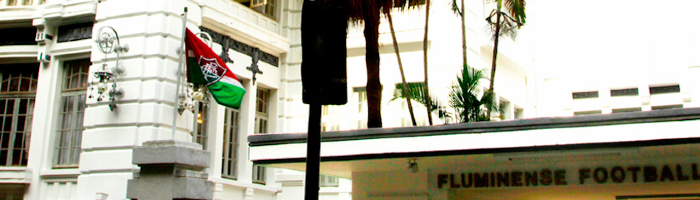
Located in the upscale Laranjeiras district, Rio de Janiero, Brzail, this historic club was awarded the Olympic Cup by the International Olympic Committee in 1949, recognizing it as the most complete sports institution in the world.

Swimming pools, tennis courts, gymnasiums, two outdoor cafes, and one of the first arena football (soccer) stadiums,  encircled by high rock hills, and surrounded by a beautiful tree lined neighborhood, makes up the most unique and beautiful sports complex in the world, Flu-minese.


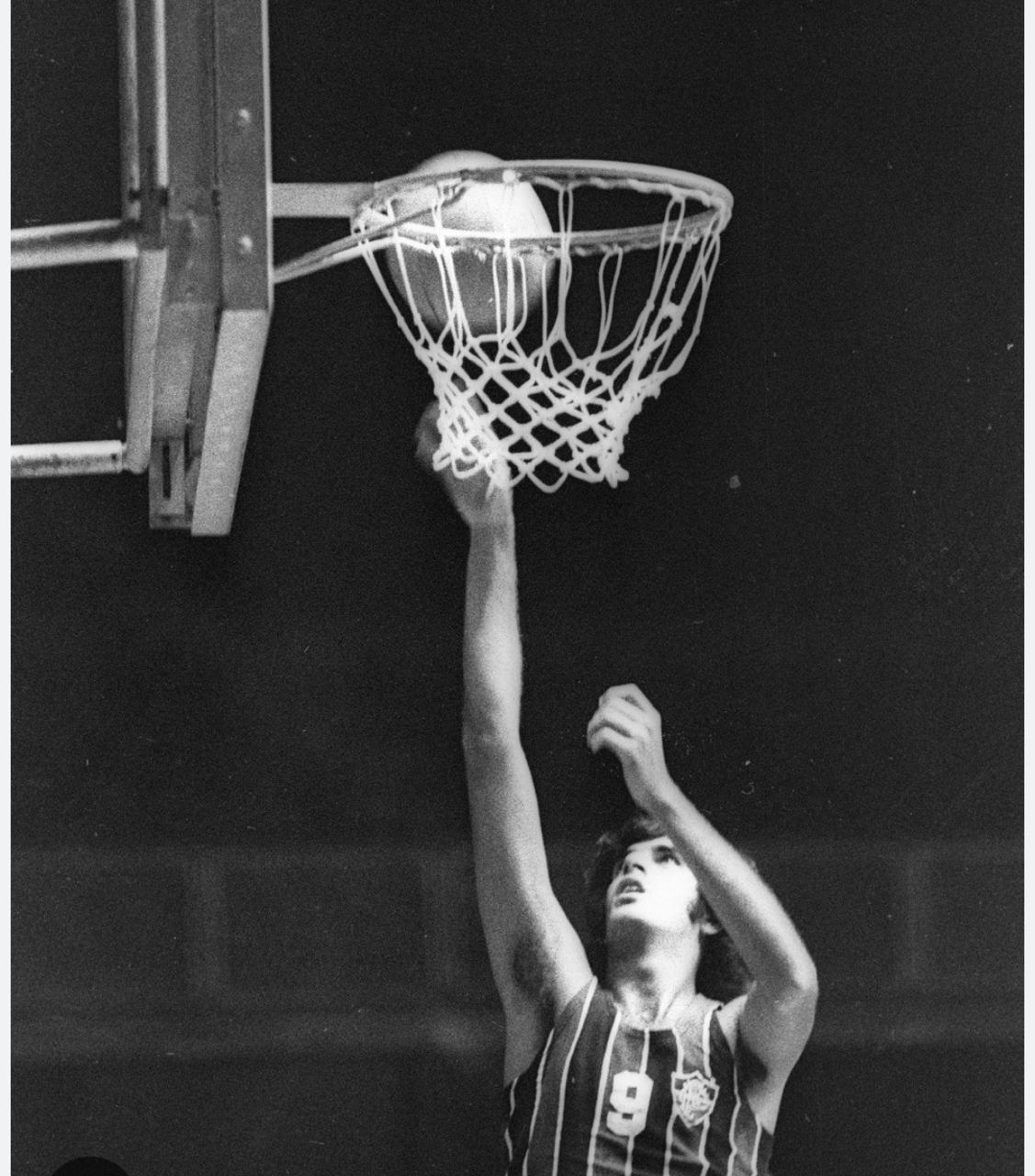
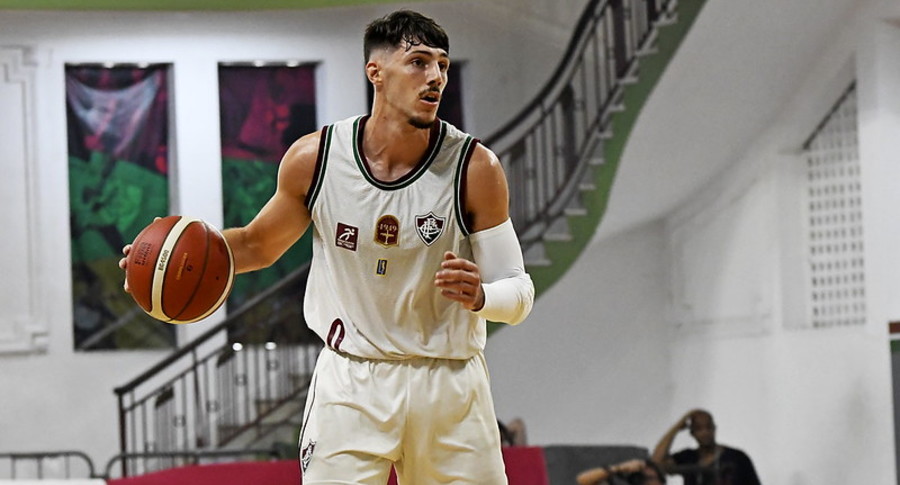
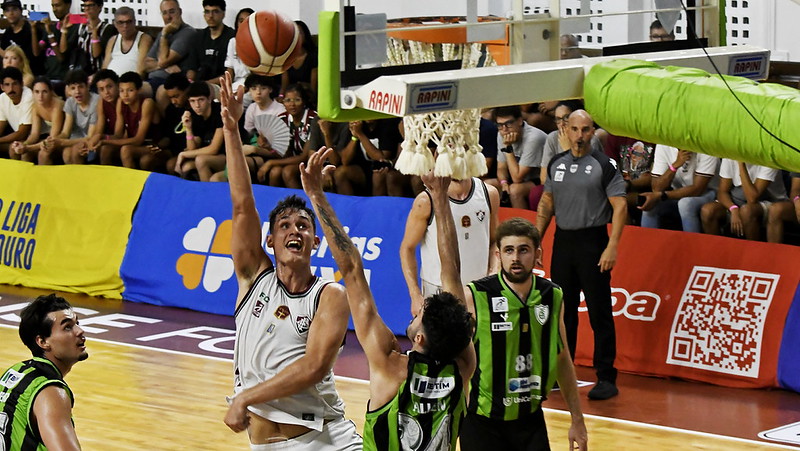
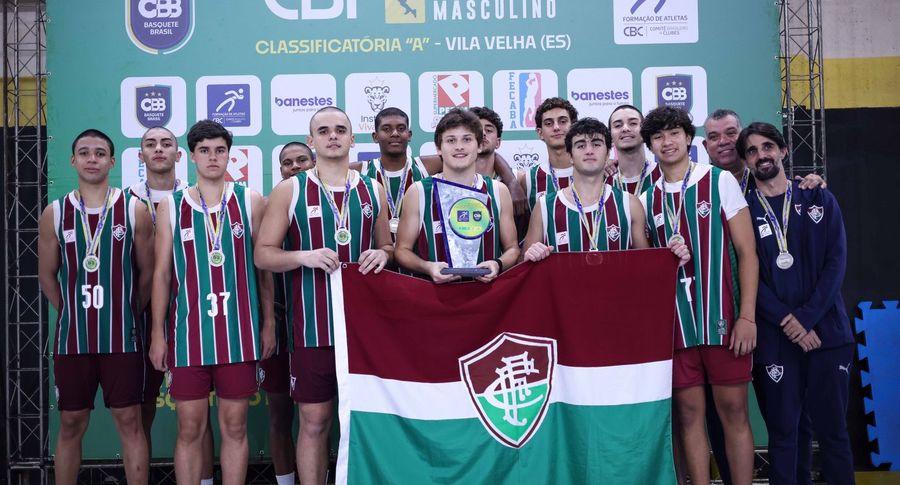
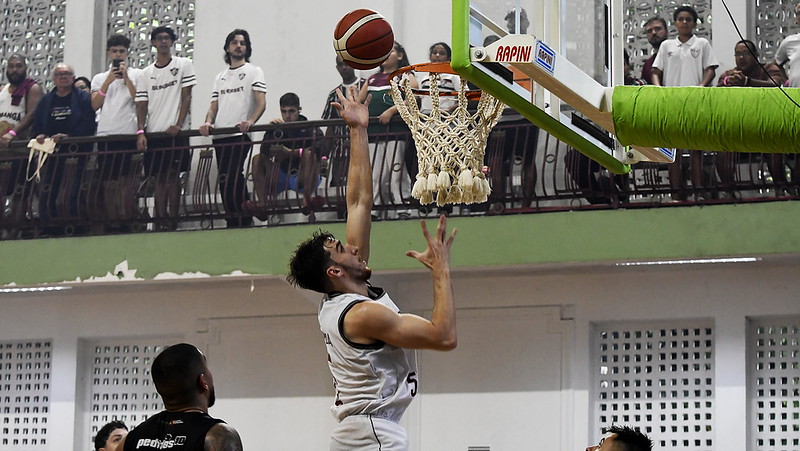
I have never had more fun playing basketball and have never been more successful,  as a team,  than during my time playing for Fluminese, in Rio de Janiero, Brazil.  We won the first championship in basketball for the Club. 

But the complete atmosphere of the club, the enviroment, and the people made it an unforgettable experience. 

Home to one of the world’s most famous football clubs, it was the first to build an on-site club arena,  which may have 7,000 bleacher seats. The year around weather allows for every facility to be open air, there are not many doors in Fluminense.  A large Olympic size swimming pool used for training and open public access.  Open air cafes where people relax and talk.  It is the  epitome of the ‘Brazilian Sports Style’.


Lorem

Lorem 

History

Founded on July 21, 1902, by Oscar Cox, the young son of an English citizen who was the vice-consul of England in Ecuador, Fluminense Football Club initially sported the colors gray and white. Cox is one of the key figures responsible for bringing football to Brazil. On numerous trips to England, he always brought back novelties, balls, and sporting goods. He also played for the team, winning the Carioca Championship in 1906, when Fluminense was already green, white, and maroon. Due to difficulties acquiring the gray fabric for the original uniform, the change was approved in 1904, giving birth to the Tricolor.

A pioneer, Fluminense built the first cement stadium in Latin America, the Laranjeiras Stadium, which hosted the South American Championship of National Teams, now the Copa América, and the Latin American Olympic Games, now the Pan American Games, and was the stage for the first major title won by the Brazilian National Team.

Considered the Nobel Prize of Sport, Fluminense is the only club in Latin America to hold the Olympic Cup, won in 1949, and is also the only football club in the world to have its name inscribed on the honor bestowed by the International Olympic Committee for services rendered to sport.

It was Preguinho, one of Fluminense’s idols, who scored the first goal for the Brazilian National Team in World Cups. Since Cox, many great players have worn the Fluminense jersey. Besides Preguinho, Pinheiro, Hércules, Escurinho, Waldo, Orlando Pingo de Ouro, Welfare, Ademir de Menezes, Rivellino, Altair, Jair Marinho, Gerson, Marcos Carneiro de Mendonça, Félix, Castilho, Carlos Alberto Torres, PC Caju, Pintinho, Branco, Didi, Ézio, Romerito, Assis, Washington, Renato Gaúcho, Telê Santana, Romário, Deco, Conca, among others, brought joy to the Fluminense fans.

Champion of the 2023 Conmebol Libertadores, champion of the 2023 Conmebol Recopa, four-time Brazilian champion (1970, 1984, 2010 and 2012), champion of the Copa do Brasil (2007), champion of the Copa da Primeira Liga (2016) and 33-time State champion. 

In addition to its headquarters in Laranjeiras and the Maracanã stadium, where it plays its home games, Fluminense has two training centers. The one in Xerém, in Duque de Caxias, is dedicated to youth divisions and women’s football, and the one in Barra da Tijuca is for professional football.


Founded in 1902, Fluminense Football Club was the first Brazilian club to carry football in its name and has become one of the most popular in the country. A pioneer in sports, Fluminense FC spearheaded the creation of football leagues and tournaments, which influenced the formation of new teams and of the Brazilian National Team – the Seleção.  The historical Laranjeiras Stadium, inaugurated in 1919, was essential for making football popular in Brazil. In 1949, the International Olympic Committee recognized Fluminense FC as the most complete sports institution in the world, honoring the club with the Olympic Cup. The World Club Championship of 1952 and 5 national championships are among Fluminense FC’s most important conquers. As said by playwright Nelson Rodrigues, “you can’t walk around Fluminense without stumbling into glory”.

Historical Facts

Some Football Facts

  • Initiators of Football in Rio de Janeiro
  • The Brazilian National Squad was born in our home ground, and its first goal was scored by a Fluminense player (1914)
  • First Football Stadium in South America – Laranjeiras Stadium (1919), built with the members’ own resources to host the first Continental Competition between countries: the South American Championship.
  • Founder of the first Brazilian Sports Confederation (CBD)
  • The First Brazilian World Cup goal was scored by a Fluminense player (Uruguay, 1930)
  • Leader of the movement that made Football a Professional Sport (1933), promoting social inclusion through sports.

Some facts in other sports and culture

  • First Brazilian Olympic Medal won by a Fluminense athlete (Antwerp 1920 – Shooting)
  • Only football club in the World to be honoured with the IOC’s Olympic Cup (1949)
  • Host to some of Rio de Janeiro’s most important social and cultural events in 20th Century
  • Laranjeiras Stadium and Club is part of the Brazilian Cultural Heritage
Club Legends
  • Didi
  • Telê Santana
  • Carlos Alberto
  • Rivellino
  • Paulo Cézar Caju
  • Romerito
  • Washington
  • Assis
  • Romário
  • Marcelo
  • Thiago Silva
  • Conca
  • Deco
  • Fred

Fluminense Football Club deeply regrets the passing of Marquinhos Abdalla, one of the greatest names in the history of Brazilian basketball and a product of the club’s youth system, this Sunday (March 22nd), at the age of 74. The club will honor him with a minute of silence before the matches against Brasília Vôlei, this Tuesday (March 24th), for the Women’s Superliga, and Corinthians, for the Brazilian Championship.

Born in 1952, Marquinhos was discovered by Fluminense, defended the tricolor jersey from the age of 15 to 22, and won the state championship five times from 1970 to 1974. The former center is in the history of national basketball for being the first Brazilian to be drafted by an NBA team, in 1976, by the Portland Trail Blazers.

Website Menu & Pages

Scroll To The Top

Victor Wembanyama (WEMBY) Online Basketball Central